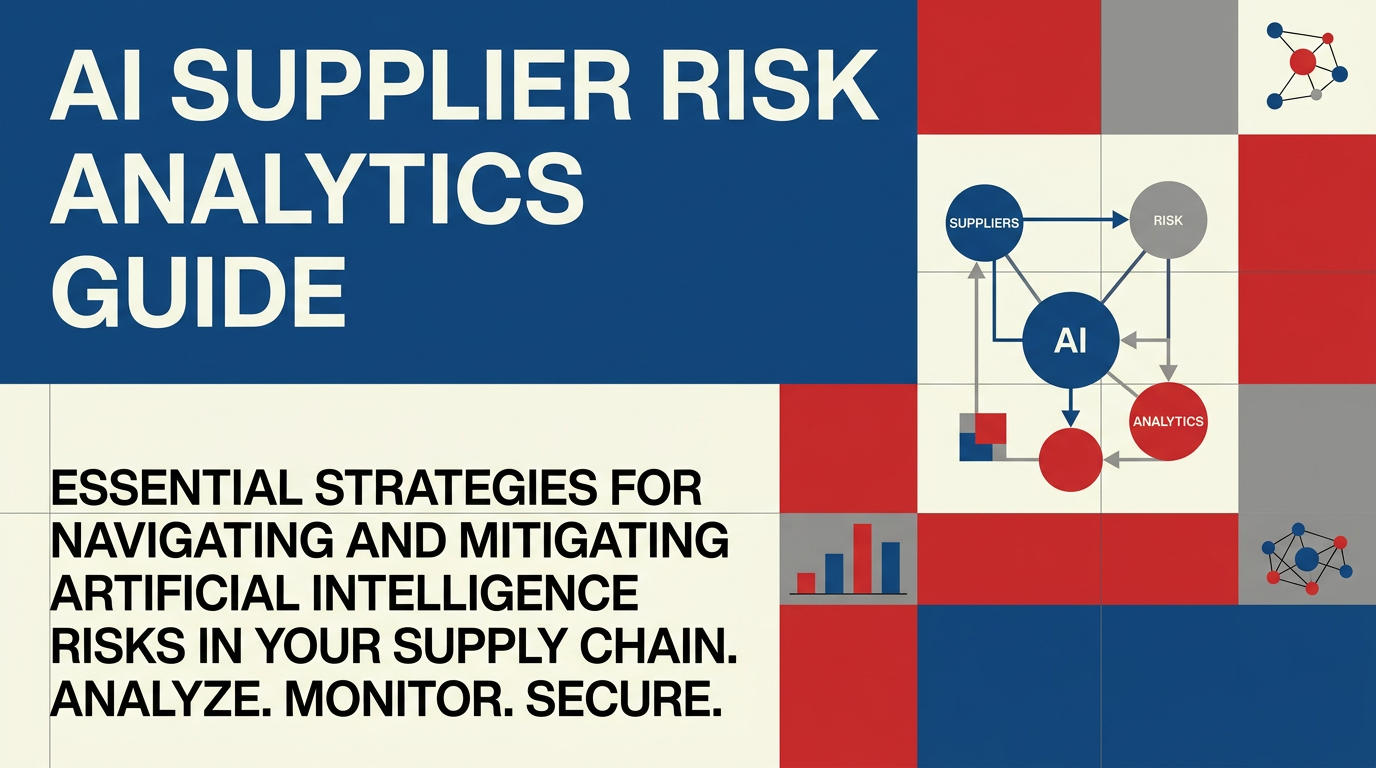
AI Supplier Risk Analytics Guide
A practical guide for small businesses on using AI to monitor supplier risk and performance across web, mobile, and cloud data so procurement teams can act before problems hit the bottom line.
Maira Koin
CEO, F Koin Tech
Published
11 July, 2026
Struggling to See Supplier Risks Before They Hit Your Bottom Line?
Your small business depends on suppliers for stock, materials, and services. But late deliveries, quality issues, and sudden price changes can quickly eat into your profits.
The problem: most small teams still track supplier performance in spreadsheets, email threads, or basic reports. You only spot issues after they’ve caused delays, refunds, or lost customers.
At the same time, your data is spread across web tools, mobile apps, and cloud platforms, making it hard to get a clear, real-time view of supplier risk.
Use AI to Turn Your Supplier Data into Proactive Decisions
AI-powered supplier risk and performance analytics help you move from guessing to knowing.
Instead of manually checking reports, AI connects data from your web systems, mobile apps, and cloud tools, then highlights:
- Which suppliers are most likely to deliver late
- Which partners have rising quality or service issues
- Where costs are creeping up without clear value
- Which contracts need renegotiation or a backup plan
The result: faster, smarter procurement decisions based on facts, not gut feel.
What Is AI-Powered Supplier Risk and Performance Analytics?
AI analytics uses machine learning and automation to continuously scan and analyze your supplier data, including:
- Web data: eCommerce orders, online portals, support tickets, and reviews
- Mobile data: delivery apps, field service reports, and on-the-go approvals
- Cloud data: ERP, CRM, accounting, and inventory systems
It then turns this messy, scattered information into clear supplier scorecards, alerts, and recommendations your team can act on.
Why This Matters for Small Businesses
You don’t have a big procurement team or complex risk department. That’s exactly why AI can give you an edge.
- More control with fewer people: Automate monitoring so your team focuses on action, not data entry.
- Early warning system: Catch patterns like gradual delays or rising defect rates before they become major problems.
- Better supplier conversations: Use clear data to negotiate prices, improve service levels, or switch vendors.
- Stronger cash flow: Avoid rush orders, emergency shipping, and waste from poor-quality goods.
Turn Web, Mobile, and Cloud Data into a Single Supplier View
Connect the Tools You Already Use
Your AI analytics platform can plug into the systems your team uses every day, such as:
- Online ordering and supplier portals
- Delivery and warehouse mobile apps
- Cloud accounting, inventory, and CRM platforms
This means you don’t need to rip and replace everything. You simply connect, sync, and start seeing insights.
See Supplier Health at a Glance
Once your data is connected, AI can build live dashboards that show:
- On-time delivery rates by supplier
- Quality and return issues over time
- Spend trends and pricing changes
- Risk scores based on behavior and reliability
Instead of hunting through emails and spreadsheets, you get one clear, visual view of supplier performance.
From Reactive to Proactive Procurement
Automated Alerts Before Problems Escalate
AI analytics can notify you when:
- A supplier’s on-time deliveries drop below your standard
- Customer complaints or returns spike for a specific product
- Lead times start to stretch without explanation
- There is a sudden change in pricing or order volume
This lets you act early—adjust orders, ask questions, or activate backup suppliers.
Smarter Supplier Selection and Negotiation
When you can see which suppliers are truly reliable, it’s easier to:
- Choose the best partners for new product lines
- Reward top performers with more business
- Negotiate better terms using real performance data
- Phase out suppliers that create consistent risk
Key AI Features Small Businesses Can Use Today
- Predictive analytics: Forecast late deliveries or supply issues before they happen.
- Risk scoring: Rank suppliers by financial, operational, and performance risk.
- Performance benchmarking: Compare suppliers against each other and against your KPIs.
- Scenario planning: Test “what if” situations, like a main supplier going offline.
- Simple reports: Export clear, shareable dashboards for owners and managers.
Getting Started Without a Big IT Team
You don’t need a data scientist to benefit from AI. Look for a solution that offers:
- Easy integrations with your existing web, mobile, and cloud apps
- Pre-built dashboards and supplier scorecards
- Guided setup and templates for small businesses
- Clear pricing that fits your budget
Start small—connect your top suppliers, track a few key metrics, and grow from there as you see value.
Make Procurement a Strategic Advantage
When you combine AI analytics with the data you already have, supplier risk stops being a guessing game.
You gain a clear, real-time view of who you can truly rely on, where your money is best spent, and how to protect your business from disruption—so you can focus on growth, not firefighting.