AI Customer Loyalty Guide
A practical guide for small businesses on using AI to personalize customer loyalty and rewards across web, mobile, and e‑commerce for higher retention and revenue.
Maira Koin
CEO, F Koin Tech
Published
03 July, 2026
Are your loyalty offers really building loyalty?
Most small businesses already run some kind of rewards program. But if everyone gets the same discount email, the same birthday voucher, and the same “10% off your next order” popup, your best customers are treated exactly like bargain hunters.
The result: margins get squeezed, high‑value customers feel unnoticed, and you have no clear proof that loyalty is actually improving across your website, mobile app, and e‑commerce store.
AI‑powered loyalty and rewards optimization helps you fix this by using data to personalise offers, timing, and channels for every customer — without turning loyalty into a complicated, enterprise‑level project.
What is AI-powered loyalty and rewards optimization?
AI-powered loyalty and rewards optimization uses Artificial Intelligence and Data Analytics to understand customer behaviour, predict what will keep them coming back, and automatically choose the best reward for each person.
Instead of simple “points for every purchase” rules, AI can:
- Combine behaviour from your website, mobile app, and e‑commerce platform into one view.
- Segment customers based on value, engagement, and product preferences.
- Predict which offers are most likely to drive repeat purchases.
- Choose the best timing and channel for each reward.
- Learn from results and keep improving your loyalty strategy.
Think of it as a smart assistant that watches thousands of journeys and nudges each customer with the smallest, most effective incentive needed to stay loyal.
Why AI-powered loyalty matters for small businesses
New customers are expensive to acquire. Paid ads cost more, SEO takes time, and social media reach is unpredictable. Growing revenue from existing customers is usually cheaper and more reliable.
AI‑driven loyalty and rewards can help you:
- Increase retention by sending relevant, timely offers instead of generic blasts.
- Protect margins by focusing discounts where they are really needed.
- Improve customer experience with rewards that match how people actually shop.
- Unify channels so customers see consistent loyalty benefits on web, mobile, and in‑store.
The data you actually need to get started
You do not need a perfect data warehouse. A few simple inputs are enough to begin personalising loyalty offers:
1. Purchase and engagement history
- Orders, renewals, and services purchased.
- Order frequency, recent activity, and spend.
- Basic margin data for key products or services.
2. Website and mobile behaviour
- Pages and products viewed.
- On‑site searches and filters used.
- Wishlists, carts, and abandoned checkouts.
3. Channel and communication preferences
- Email opens and clicks.
- Push notification responses.
- SMS or chat interactions.
4. Simple profile and preferences
- Stated interests or categories they like.
- Location or service area.
- Business type or industry (for B2B).
How AI personalizes rewards across web, mobile, and e‑commerce
Once this basic data is connected, AI Automation can support smarter loyalty decisions at every step of the journey.
Predict who will stay, grow, or churn
- Spot loyal customers early and reward them with recognition and access.
- Identify at‑risk customers and trigger personalised win‑back offers.
- See which journeys usually lead to long‑term loyalty.
Match offers to customer value
- New but promising customers: small “welcome” perks and onboarding tips.
- High‑value regulars: early access, priority support, and exclusive products.
- Discount hunters: targeted deals with sensible minimum spends.
- Quiet or inactive customers: gentle check‑ins or surveys instead of heavy discounts.
Optimize timing and channel
- Choose the best time of day to send each message.
- Decide whether to use email, SMS, push, or on‑site messages.
- Trigger rewards at key moments, like the third order or a period of inactivity.
Core pieces of an AI-powered loyalty stack
You do not have to replace your existing systems. Most small businesses can layer AI‑driven loyalty on top of what they already use.
1. Unified customer profile
A simple “single view” that links:
- Web, mobile, and in‑store identifiers.
- Profile details and consent preferences.
- Transactions, points, and redemptions.
- Campaigns sent and offers used.
2. Clear loyalty rules and reward catalog
- How points, tiers, or perks are earned.
- What rewards are available (discounts, access, gifts, services).
- Who is eligible for which benefits.
3. AI decision engine
- Segments customers and scores churn risk.
- Recommends the next best offer for each person.
- Tests different rewards and measures uplift in revenue and retention.
4. Channel integration
- Personalised banners and offers on your website.
- In‑app cards and push notifications in your mobile app.
- Emails and SMS with live points and rewards information.
- In‑store or on‑receipt prompts that reflect the same status.
Simple steps to launch AI-powered loyalty in your business
Step 1: Define what “loyalty” means for you
- More frequent orders?
- Higher average basket size?
- Deeper product usage?
- More referrals and reviews?
Step 2: Map your key touchpoints
- How people discover you (search, ads, social).
- Where they buy (website, mobile app, marketplaces, in‑store).
- How you follow up (email, SMS, support, service visits).
Step 3: Start with simple segments
- Recent vs lapsed customers.
- Frequent vs occasional buyers.
- High vs low spenders.
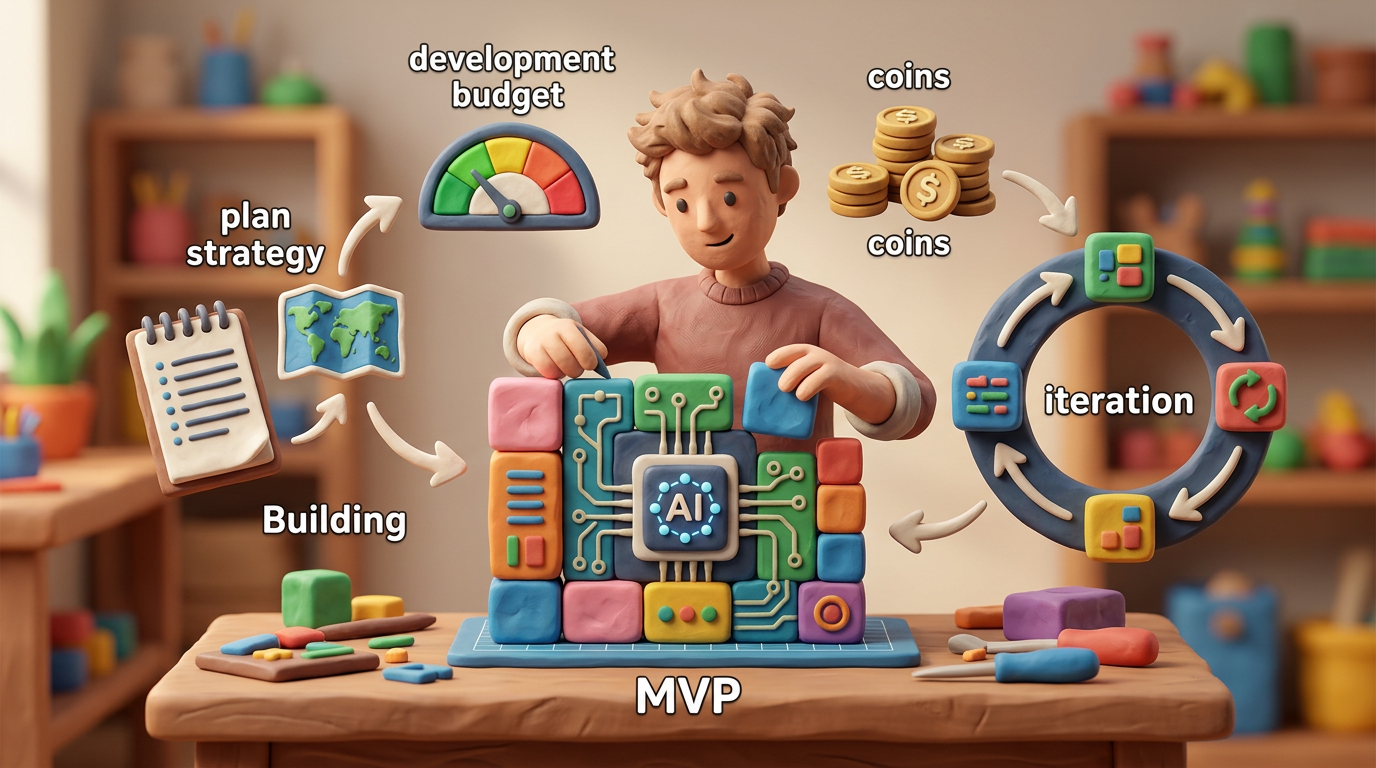
Step 4: Launch a “minimum viable” loyalty program
- Keep tiers and rules clear and easy to explain.
- Offer a small set of meaningful, achievable rewards.
- Make it simple to join and see benefits.
Step 5: Add AI insights and refine
- Use AI to find high‑value behaviours to reward.
- Test a few personalised offers with small groups.
- Measure impact on repeat purchases, margin, and engagement.
Business benefits that go beyond discounts
- Richer insight: understand which products and channels truly drive loyalty.
- More predictable revenue: stable repeat purchase patterns make planning easier.
- Stronger brand: personalised recognition and access are hard for competitors to copy.
- Foundation for growth: once data and loyalty logic are in place, you can test subscriptions, referrals, and premium tiers with lower risk.
By treating AI-powered loyalty as a strategic tool — not just a discount engine — small and midsize businesses can turn everyday transactions into long‑term, profitable relationships across web, mobile, and e‑commerce channels.