Developing a Future-Proof AI Strategy for Small Business Digital Transformation
Small businesses can navigate the complexities of Artificial Intelligence by developing a future-proof strategy that drives digital transformation, enhances efficiency, and ensures sustainable growth. This guide offers practical steps to integrate AI effectively without overwhelming resources.
Maira Koin
CEO, F Koin Tech
Published
01 August, 2026
Developing a Future-Proof AI Strategy for Small Business Digital Transformation
For many small business owners, Artificial Intelligence (AI) can seem like a technology reserved for large corporations with deep pockets and specialized teams. Yet, in today's evolving market, AI is rapidly becoming a fundamental driver of digital transformation for businesses of all sizes. The real challenge for small and medium-sized businesses isn't whether to adopt AI, but how to build a strategy that's not only effective now but also resilient and adaptable for the future.
A well-planned AI strategy can unlock significant business value, from boosting business productivity and streamlining operations to enhancing customer experience and informing strategic decisions. This isn't about chasing the latest trend; it's about embedding smart technology into your core business processes to create lasting competitive advantages. Let's explore how small businesses can build a future-proof AI strategy.
Why a Future-Proof AI Strategy Matters for Small Businesses
Simply dabbling in AI without a clear vision often leads to wasted resources and minimal impact. A future-proof AI strategy, by contrast, focuses on sustainability and growth. It allows your small business to:
- Stay Competitive: AI-powered competitors can deliver faster, more personalized services or operate at lower costs. A strategic approach to AI helps you keep pace and even lead in your niche.
- Drive Digital Transformation: AI is not just a tool; it's a catalyst for rethinking how your business operates. It pushes you to modernize systems, integrate data, and adopt more efficient workflows.
- Enhance Business Productivity: Automating repetitive tasks with AI frees up your team to focus on higher-value activities, leading to greater overall efficiency.
- Improve Decision-Making: AI-driven data analytics provides insights that would be impossible to uncover manually, enabling more informed and proactive business decisions.
- Adapt to Technology Trends: A flexible AI strategy means your business can evolve with new AI capabilities and market demands, rather than being left behind.
Ultimately, a future-proof strategy isn't about predicting the exact future of AI, but about building a robust framework that can embrace change and leverage emerging AI capabilities as they develop.
Understanding AI for Business: Dispelling Common Myths
Before diving into strategy, it's helpful to clarify what AI means in a business context, especially for small businesses. Forget the complex, sci-fi portrayals. For practical business applications, AI primarily refers to systems that can:
- Learn from Data: AI algorithms can identify patterns and make predictions or recommendations based on vast amounts of data.
- Automate Tasks: AI can handle routine, rule-based processes, like data entry, scheduling, or even basic customer support queries. This falls under the umbrella of Business Automation and Workflow Automation.
- Process Natural Language: AI can understand and generate human language, making chatbots and voice assistants possible.
- Recognize Patterns: From identifying anomalies in IT security to segmenting customer groups, AI excels at pattern recognition.
Many small business owners worry that AI is too complex or costly. The reality is that many AI solutions are now available as user-friendly SaaS Solutions, or can be tailored through custom software development, making them accessible and affordable.
Key Pillars of a Sustainable AI Strategy
1. Define Clear Business Objectives
Before considering any AI tool, identify the specific business problems you want to solve or the opportunities you want to seize. Are you looking to reduce operational costs, improve customer satisfaction, accelerate sales cycles, or enhance product development? Your AI initiatives should directly align with these goals. Without clear objectives, AI projects can quickly lose focus.
2. Build a Solid Data Foundation
AI runs on data. The quality, accessibility, and relevance of your data are paramount. Invest time in organizing, cleaning, and integrating your existing data across different systems. This might involve consolidating customer information, sales figures, inventory data, and marketing insights into a usable format. Strong data governance is the bedrock for effective Data Analytics and any AI for Business implementation.
3. Start Small, Think Big: Pilot Projects and Scalability
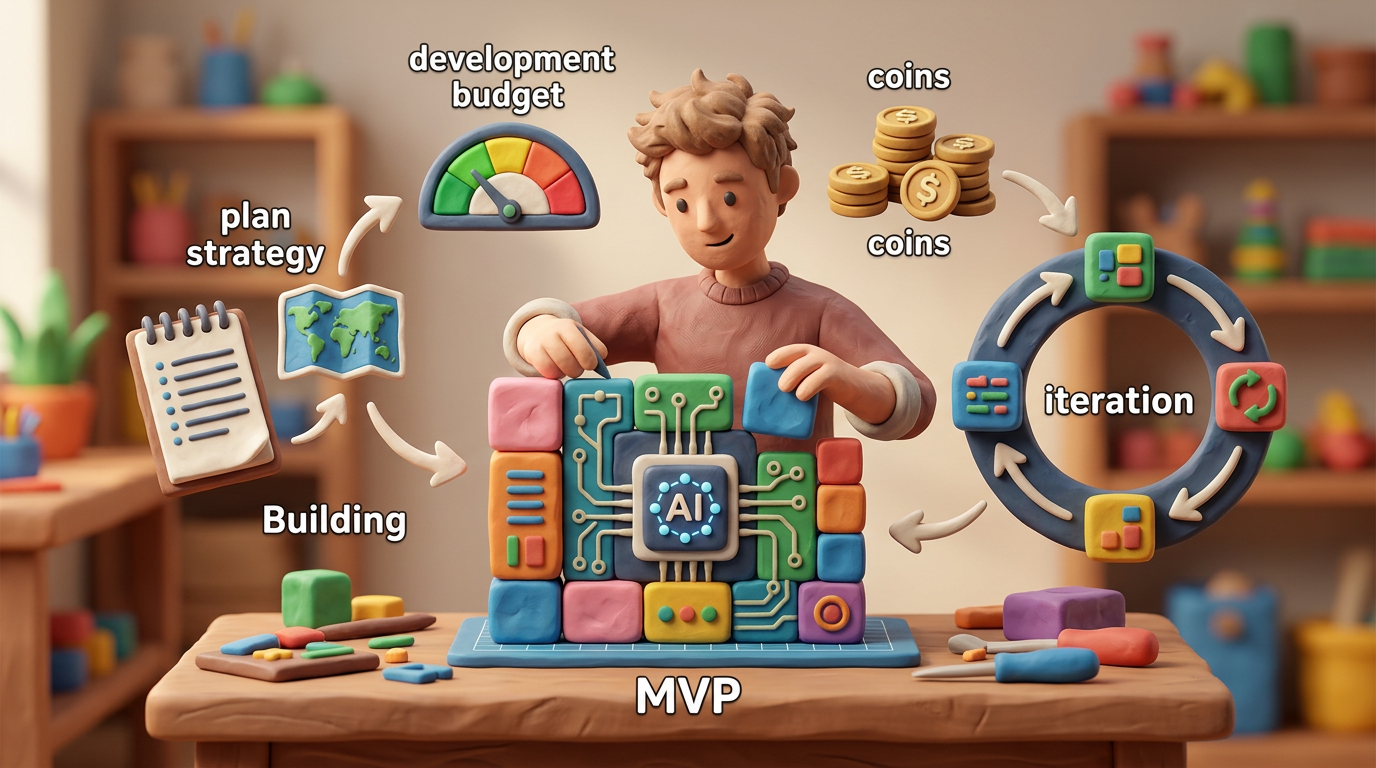
You don't need to overhaul your entire business at once. Begin with small, manageable AI pilot projects that address a specific problem and have measurable outcomes. For instance, you might start with AI-driven customer feedback analysis or an automated customer service chatbot for frequently asked questions. Once a pilot proves successful, you can scale it up or apply similar AI solutions to other areas of your business. This iterative approach minimizes risk and builds internal confidence.
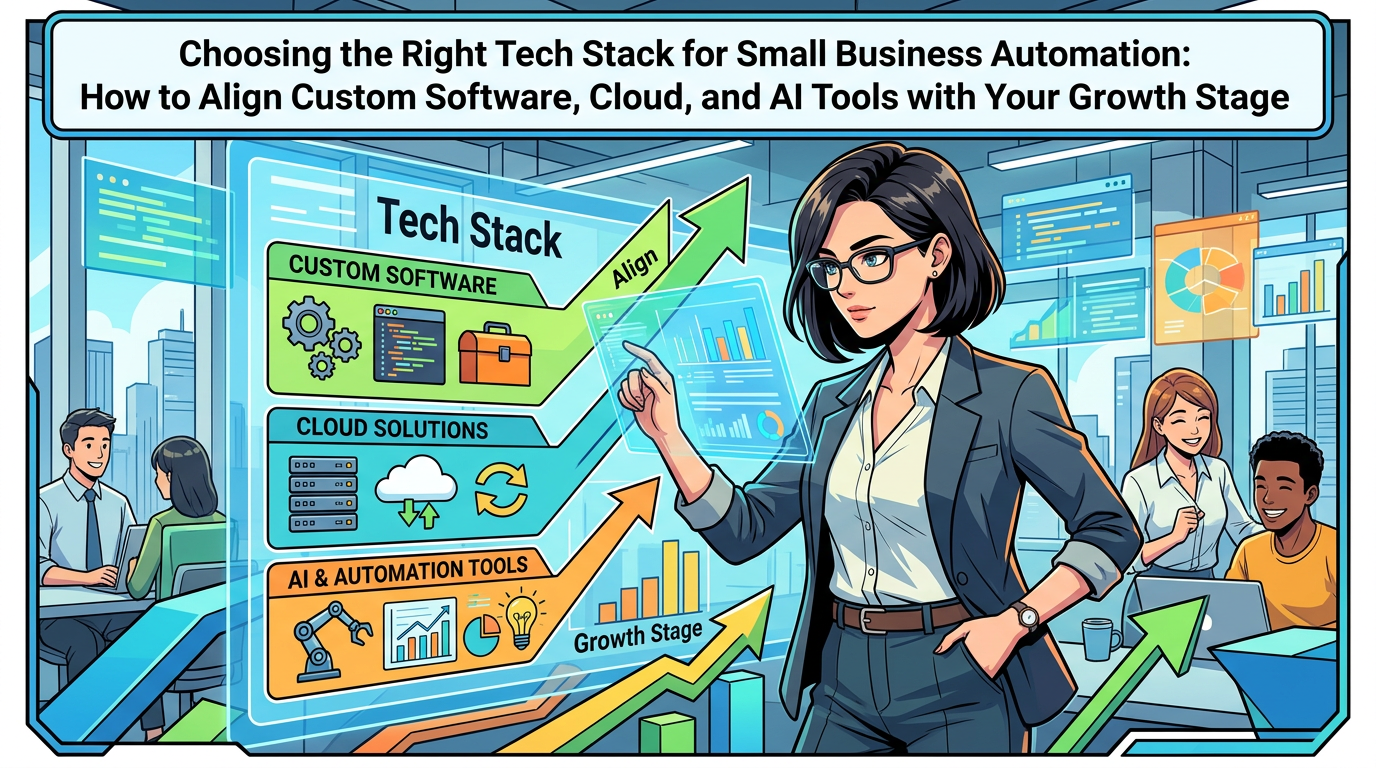
4. Choose the Right AI Tools and Solutions
The market offers a wide range of AI solutions. For small businesses, this could mean:
- Off-the-Shelf SaaS Solutions: Many cloud-based platforms now integrate AI features for marketing, customer relationship management, and productivity.
- Custom Software Development: For unique business needs or competitive advantage, a custom-built AI solution might be necessary. This is where a technology partner specializing in Software Development can provide significant value, ensuring the solution fits your specific workflows and integrates seamlessly with existing systems.
- API Integrations: Leveraging pre-built AI services (like sentiment analysis or image recognition) through APIs can add powerful capabilities without extensive development.
The right choice depends on your specific objectives, budget, and desired level of customization. Technology Consulting can help navigate these options.
5. Cultivate an AI-Ready Team and Culture
AI is a tool for people, not a replacement for them. Educate your employees about what AI is and how it will support their roles, not threaten them. Provide training for new AI tools and foster a culture of data literacy and continuous learning. Empowering your team to work alongside AI is crucial for successful adoption and long-term business innovation.
6. Prioritize Ethical AI and Data Security
As you collect and process more data, ethical considerations and data security become paramount. Ensure your AI applications are transparent, fair, and unbiased. Comply with relevant data privacy regulations. Robust cybersecurity measures are non-negotiable to protect sensitive business and customer information. Building trust through responsible AI use is key to sustainable digital growth.
Practical Applications of AI for Small Businesses
AI offers diverse applications that can significantly benefit small businesses:
- Enhanced Customer Experience:
- Personalized Marketing: AI can analyze customer data to tailor product recommendations and marketing messages. Consider AI customer segmentation for highly targeted campaigns.
- 24/7 Customer Support: AI-powered chatbots can handle routine inquiries, freeing human agents for more complex issues.
- Sentiment Analysis: Understand customer feelings from reviews and social media to improve service and offerings.
- Operational Efficiency and Workflow Automation:
- Automated Data Entry: AI can extract information from documents and populate databases, reducing manual errors and saving time.
- Predictive Maintenance: For businesses with physical assets, AI can predict equipment failures, allowing for proactive maintenance and reduced downtime.
- Supply Chain Optimization: AI can forecast demand more accurately and optimize inventory levels, leading to cost savings. Many aspects of AI workflow automation can be applied here.
- Data Analytics and Informed Decision-Making:
- Sales Forecasting: AI can analyze historical sales data, market trends, and external factors to predict future sales with greater accuracy.
- Fraud Detection: Identify unusual patterns in transactions to flag potential fraud.
- Performance Monitoring: AI can continuously analyze business metrics and alert you to anomalies or opportunities, supporting proactive management.
Common Mistakes to Avoid in Your AI Journey
Implementing AI can be challenging. Small businesses should be wary of these pitfalls:
- Lack of a Clear Strategy: Without defined goals, AI projects often fail to deliver tangible results.
- Ignoring Data Quality: Poor data leads to poor AI performance. Garbage in, garbage out.
- Trying to Do Too Much, Too Soon: Overambitious projects can overwhelm resources and lead to burnout. Start small and iterate.
- Underestimating the Human Element: Without proper training and cultural buy-in, even the best AI tools will struggle to gain traction.
- Neglecting Security and Ethics: Rushing implementation without considering data privacy and ethical implications can lead to significant risks.
The Role of Technology Partners in Your AI Strategy
Developing a future-proof AI strategy and implementing effective AI solutions doesn't mean your small business has to go it alone. Partnering with experienced technology consultants and software development firms can be a significant advantage. They bring expertise in:
- Technology Consulting: Helping you define your AI strategy, identify suitable applications, and choose the right tools.
- Custom Software Development: Building bespoke AI solutions that are perfectly tailored to your unique business needs and integrate with your existing infrastructure.
- Data Preparation: Assisting with data cleansing, integration, and architecture to ensure your data is AI-ready.
- Implementation and Training: Guiding the rollout of AI tools and providing training for your team.
- Ongoing Support: Ensuring your AI systems remain optimized and evolve with your business.
Whether you need Web Development, Mobile App Development, Cloud Computing, or specific AI solutions, a reliable partner can act as an extension of your team, providing the technical muscle and strategic guidance needed to succeed.
Embracing AI for Long-Term Digital Growth
Developing a future-proof AI strategy is an essential step for any small business aiming for sustainable digital transformation. It's about more than just adopting new technology; it's about strategically integrating Artificial Intelligence to enhance every aspect of your operations, from customer interactions to internal efficiencies. By focusing on clear objectives, a strong data foundation, iterative implementation, and the right partnerships, your small business can leverage AI to not only meet today's challenges but also thrive in the future.
If you're ready to explore how Artificial Intelligence can drive your small business's digital transformation, improve productivity, and build a competitive edge, consider reaching out to experienced technology experts. We can help you navigate the complexities of AI, from strategy development to custom solution implementation, ensuring your business is prepared for what's next.