Website vs Landing Page, Which One Does Your Business Need?
A website builds long-term presence; a landing page drives one specific action. Here is how to choose, with real examples and when you need both.
Maira Koin
CEO, F Koin Tech
Published
13 September, 2026
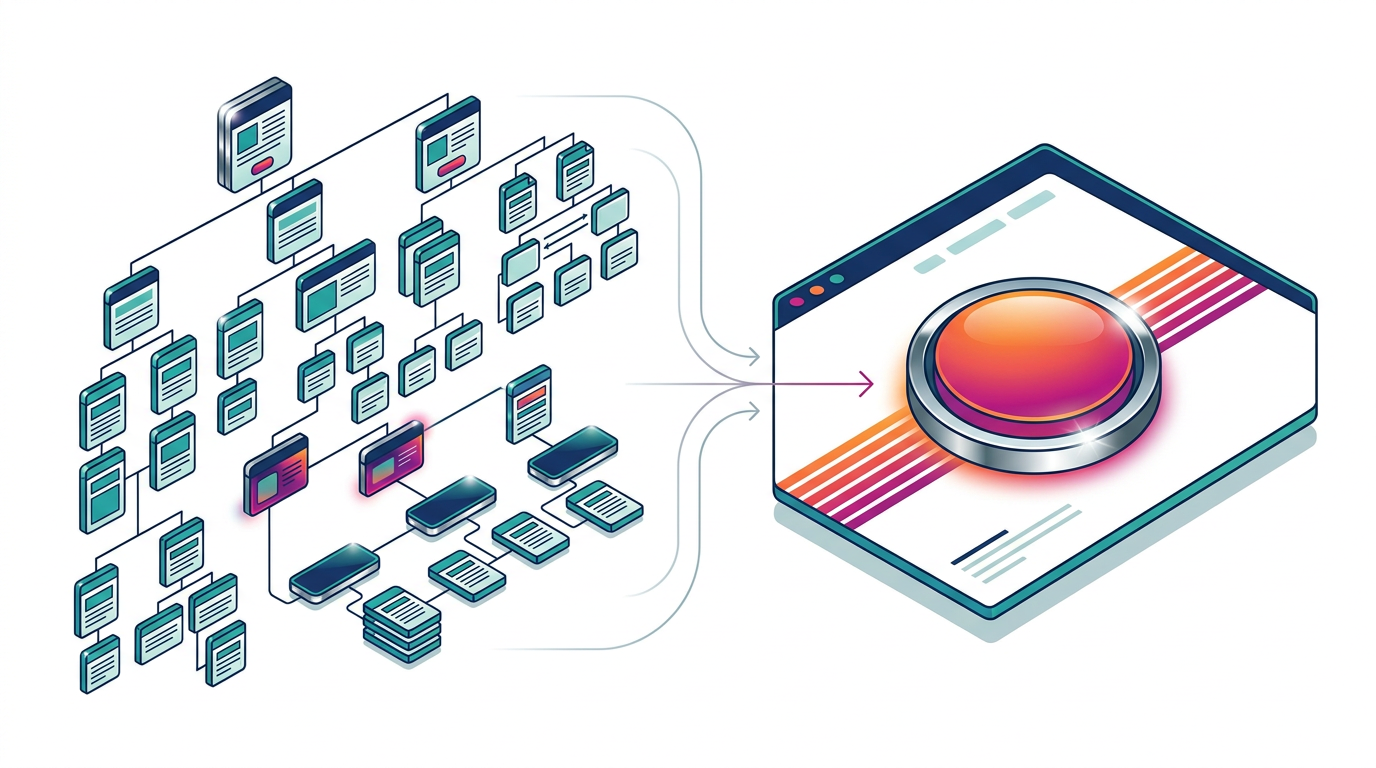
A website is a multi-page home for your business: it explains who you are, everything you offer, and builds trust over time. A landing page is a single focused page designed to get visitors to take one specific action, like booking a call, signing up, or claiming an offer. Most established businesses need a website. Landing pages are best for campaigns, launches, and paid ads.
The right choice depends on your goal, not on which is cheaper.
The key differences
Website | Landing page | |
|---|---|---|
Purpose | Overall presence and trust | One specific conversion |
Pages | Several (home, services, about, contact, blog) | One |
Navigation | Full menu | Usually none, to avoid distractions |
Traffic | Organic search, referrals, direct | Mostly ads, email, social campaigns |
Lifespan | Long term | Often tied to a campaign |
When a landing page is enough
You are testing a new product or idea and want to measure interest quickly
You are running Google or Meta ads and need a page matched to the ad
You have one service and one call to action, like a consultation booking
You need a launch or event page live within days
For example, we built a responsive landing page for Ewondo Group that presents their equipment rental, transport, and parts manufacturing services with a mailing list signup, and a conversion-focused landing page for Deepak Hospital covering services, doctors, and emergency support.
When you need a full website
You offer several services that each deserve their own explanation
You want to rank on Google for different searches over time
Customers need to research and compare before contacting you
You publish blogs, case studies, or resources
Why many businesses use both
A common setup is a full website for long-term presence and SEO, plus separate landing pages for each ad campaign. The website builds credibility; the landing pages convert paid traffic efficiently. Sending ad traffic to your homepage usually wastes budget, because visitors have too many options and no clear next step.
Cost considerations
A single landing page is usually quicker and cheaper to build than a full website, but a high-converting one still needs good copy, a clear offer, fast loading, and tracking for conversions. Skipping analytics makes it impossible to know whether your ads are working.
F Koin Tech builds both business websites and campaign landing pages. If you are unsure which you need, tell us your goal and we will recommend the simplest option that works.